
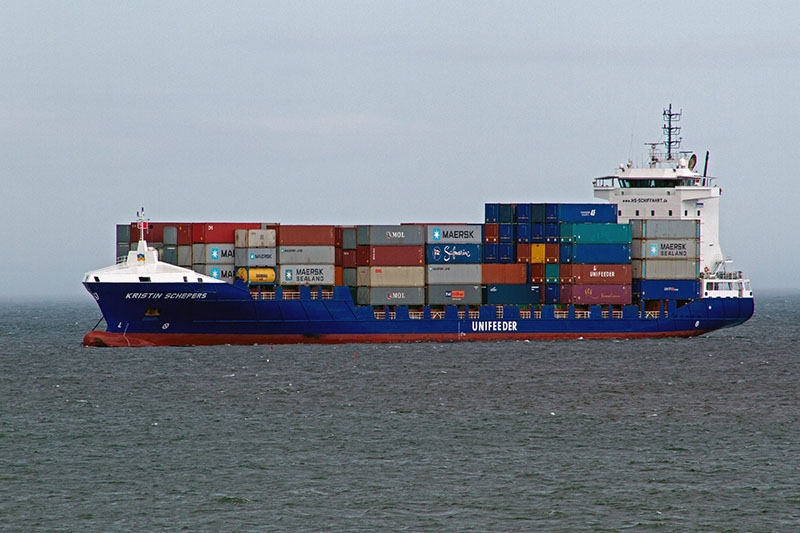
Why Alberta Needs West Coast Partnership for Inland Port Success
Alberta, Canada, known for its rich natural resources and strong energy sector, stands poised to become a logistics and trade powerhouse. The province has significant potential to develop inland ports, which could streamline trade routes, reduce costs, and create jobs. However, to fully realize this vision, Alberta needs to refine its corridor strategy by partnering with the West Coast, where critical gateways to international markets, such as the Ports of Vancouver and Prince Rupert, provide direct connections to global supply chains. A unified approach between Alberta’s inland logistics hubs and the West Coast’s strategic ports could bring considerable economic benefits, enhance trade efficiencies, and position Alberta as a central player in North American logistics.
Understanding the Need for an Inland Port Corridor Strategy
Inland ports are key logistics centers located away from coastal waters but connected to primary ports and major transport routes. For Alberta, establishing and enhancing these hubs is critical to support industries from agriculture and manufacturing to technology and oil and gas. By refining its corridor strategy, Alberta can attract investment, streamline its supply chain, and alleviate congestion at Canada’s West Coast ports by redirecting goods through designated inland hubs.
However, an effective corridor strategy cannot succeed without regional cooperation. For Alberta’s inland ports to reach their full potential, Alberta must work closely with the West Coast to develop integrated trade corridors. This alignment would ensure efficient transportation routes and customs processing, encouraging seamless movement between the coast and Alberta’s growing inland logistics hubs.
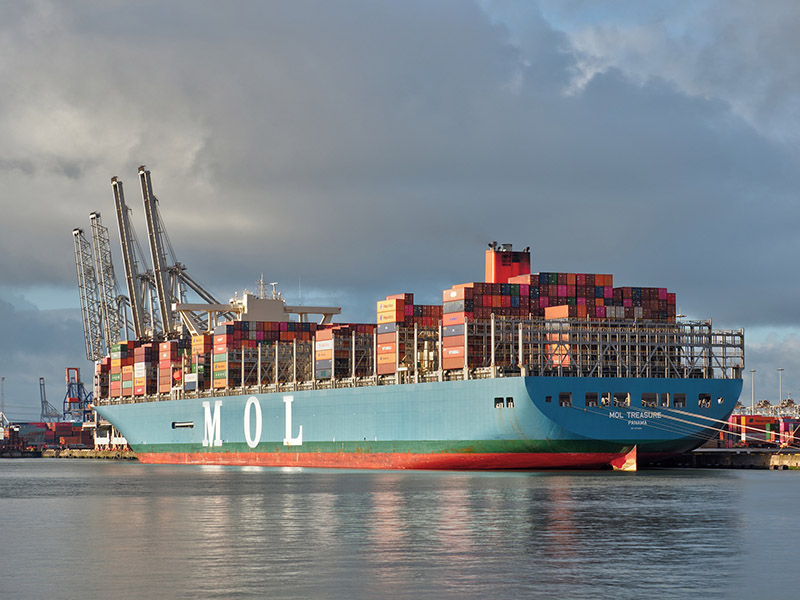
The West Coast as Alberta’s Gateway to the World
The Port of Vancouver and the Port of Prince Rupert are Canada’s premier gateways to Asia-Pacific markets and play a pivotal role in North American supply chains. However, congestion and limited storage capacity at these coastal ports can delay shipments and increase costs. Alberta’s inland ports, if effectively connected to these major gateways, can serve as extended logistics hubs, allowing goods to clear customs and redistribute within Alberta, relieving pressure from coastal facilities. This setup not only enhances trade flow but also offers significant storage and warehousing options closer to domestic markets.
The collaboration would involve improving existing rail and road networks between Alberta and the West Coast, ensuring that goods can flow from port to inland hub seamlessly. This would also require policy alignment and cooperation between government agencies, municipalities, and industry stakeholders to develop shared logistics standards, streamline regulations, and address common infrastructure challenges.
Economic Opportunities for Alberta and the West Coast
A unified corridor strategy could open up vast economic opportunities. For Alberta, inland ports would create jobs, increase regional competitiveness, and support export growth. Enhanced trade corridors would attract businesses seeking efficient shipping options, boosting Alberta’s logistics, warehousing, and distribution industries.
The West Coast, in turn, would benefit from reduced port congestion and increased shipping volume. By redirecting certain goods to Alberta’s inland ports, West Coast facilities could operate more efficiently and increase their capacity for handling international shipments. This would enable both regions to scale up their economic activities, catering to global markets more effectively.
Additionally, a collaborative inland port strategy could position Canada as a stronger competitor in North American logistics, providing an efficient alternative to U.S. routes that dominate the market. For instance, goods traveling from Asia through the Port of Prince Rupert can reach North American markets via Alberta with fewer bottlenecks, offering companies a reliable and cost-effective supply chain option.
Environmental and Sustainability Benefits
A more efficient inland port strategy also promises environmental benefits. Congestion at coastal ports often leads to delays, increasing emissions from idling ships and trucks. By establishing inland logistics hubs connected by rail and highway, Alberta and the West Coast could reduce shipping delays and lower carbon emissions associated with transport. Rail transport, for example, is significantly more fuel-efficient than trucking, meaning that a strong rail corridor could help reduce the environmental impact of Alberta’s supply chain.
Additionally, developing these corridors offers opportunities to introduce green infrastructure, such as electric vehicle charging stations, renewable energy for warehousing, and optimized rail logistics that reduce fuel consumption. By integrating these sustainable practices into the corridor strategy, Alberta and the West Coast could lead the way in developing an eco-friendly logistics corridor, setting a high standard for Canada and the global logistics industry.
Policy and Infrastructure Requirements
To implement a successful corridor strategy, Alberta and the West Coast must address key policy and infrastructure requirements. First, government investment will be essential to upgrade railways, highways, and customs facilities along the corridor. Enhanced rail connections between Alberta’s inland ports and West Coast terminals will require improvements in both track capacity and speed, while upgraded highways are needed to ensure seamless transport for road-based logistics.
Policy alignment is also crucial. Alberta and British Columbia must work together to standardize customs regulations, streamline border procedures, and harmonize environmental standards. For example, aligning emission regulations for trucks operating along the corridor could make the route more environmentally friendly and promote sustainable practices across the provinces.
Public and private sector collaboration will be essential. Encouraging investment from logistics companies, retailers, and shipping firms can help drive infrastructure development and technology adoption. By creating an attractive investment climate and offering incentives for companies that prioritize sustainability, Alberta and the West Coast could transform their inland ports and logistics corridors into thriving economic hubs.
The Path Forward: A Collaborative Future
For Alberta to achieve its inland port vision and unlock the full economic potential of its resources, a collaborative corridor strategy with the West Coast is essential. This partnership will not only enhance trade flow and reduce costs but will also position Alberta and British Columbia as leaders in sustainable logistics.
Through shared investment in infrastructure, policy alignment, and strategic coordination, Alberta and the West Coast can build a logistics corridor that supports economic growth, environmental sustainability, and global competitiveness. By working together, both regions can create a powerful trade route that benefits Canada’s economy, reduces supply chain pressures, and sets a benchmark for efficient, sustainable logistics practices. A unified corridor strategy, therefore, represents an unparalleled opportunity for Alberta and the West Coast to lead North America in inland port development and long-term economic sustainability.